There was a time when creating a single high-quality image or video required weeks of planning, expensive equipment, specialized crews, and long approval cycles. Today, that timeline has collapsed into hours — sometimes minutes — and the catalyst behind this transformation is artificial intelligence.
AI-generated imagery, video synthesis, and automated editing tools have fundamentally reshaped how content is conceived and produced across social media, marketing, and enterprise storytelling. For social influencers, what once required photographers, editors, lighting setups, and location scouting can now be built inside a laptop with prompt-driven tools that generate cinematic visuals on demand. Entire brand campaigns can be prototyped overnight, tested instantly across platforms, and iterated based on engagement data in real time.
Marketing departments have shifted from production-heavy pipelines to AI-assisted creative studios. Campaign ideation, storyboard generation, product mockups, ad variations, and localized content can now be scaled at unprecedented speed. A single concept can expand into hundreds of variations tailored for different audiences, languages, and platforms — something that previously required large creative teams and weeks of coordination.
But this acceleration has come with a cost.
Traditional roles in photography, videography, basic editing, and even entry-level creative production have been significantly disrupted. Tasks once handled by junior designers, production assistants, and freelance editors are increasingly automated or compressed into AI workflows. Entire segments of the creative industry are being redefined, forcing professionals to shift toward higher-level strategy, art direction, and AI supervision rather than hands-on production.
At the same time, the distance between idea and execution has nearly vanished. What used to take a full production cycle — concept development, pre-production, shooting, post-production, and distribution — can now be executed in a single creative session. The bottleneck is no longer physical production capacity, but imagination, prompt engineering, and brand strategy.
In this new landscape, content is no longer just created — it is generated, iterated, and optimized continuously. AI has not only changed how visuals are made, but also who makes them, how fast they appear, and how far they can spread.
AI Image Creation
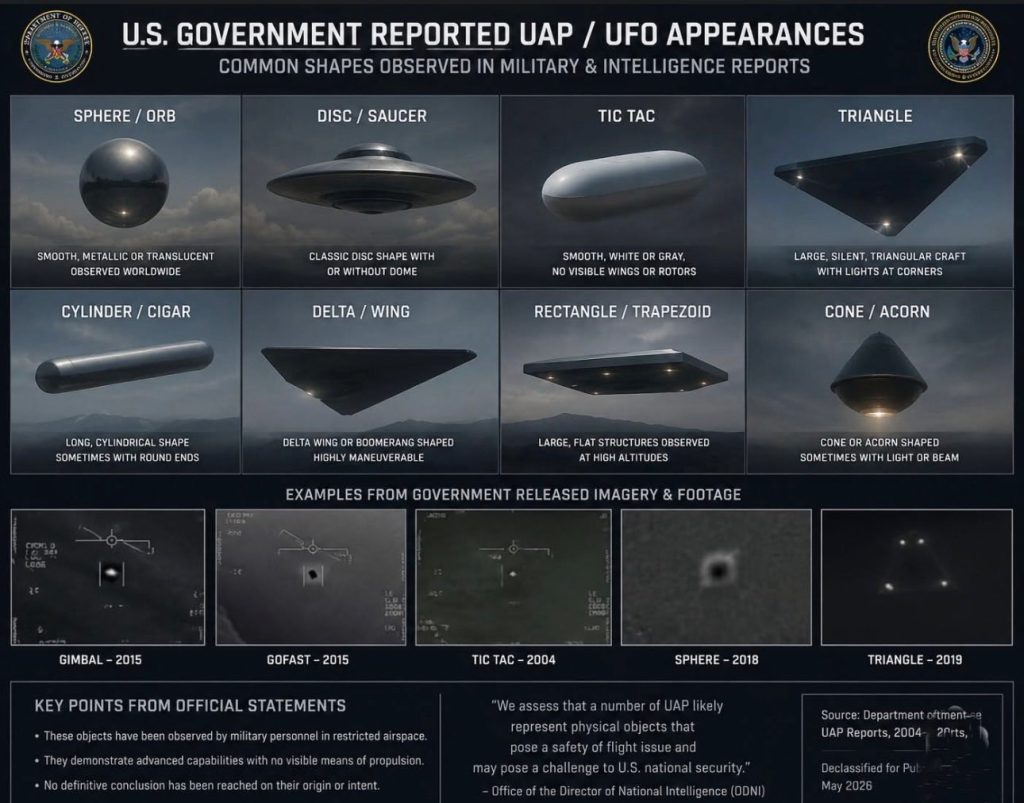
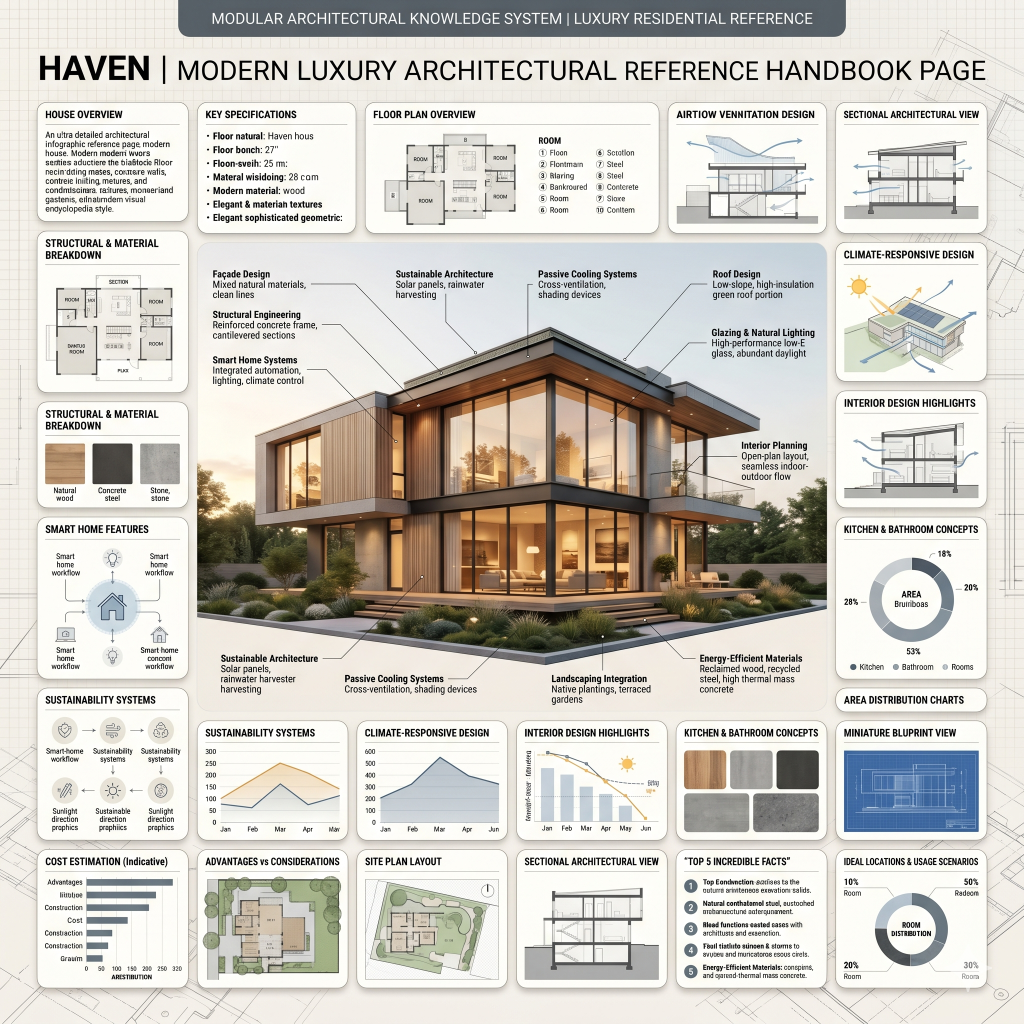
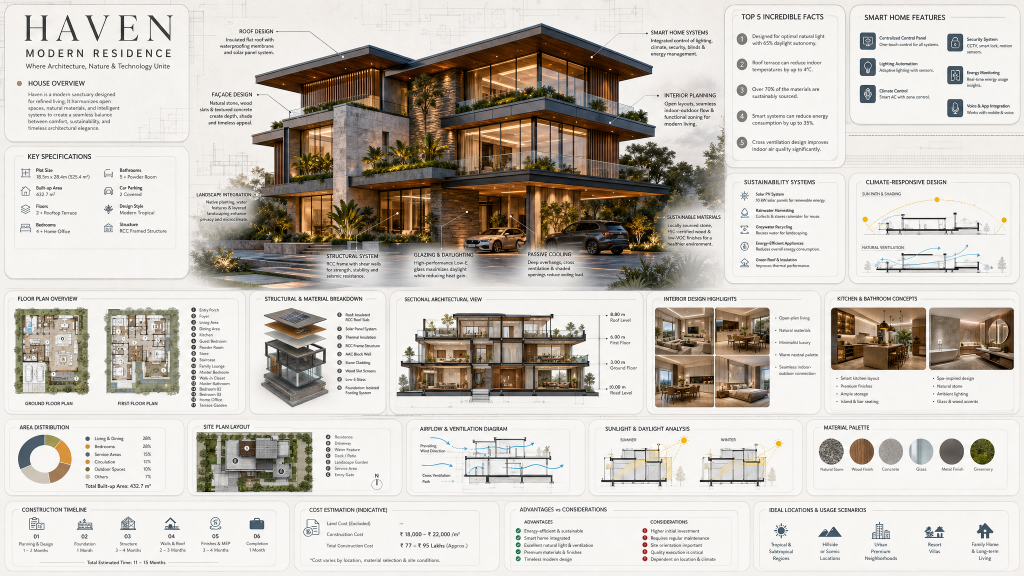
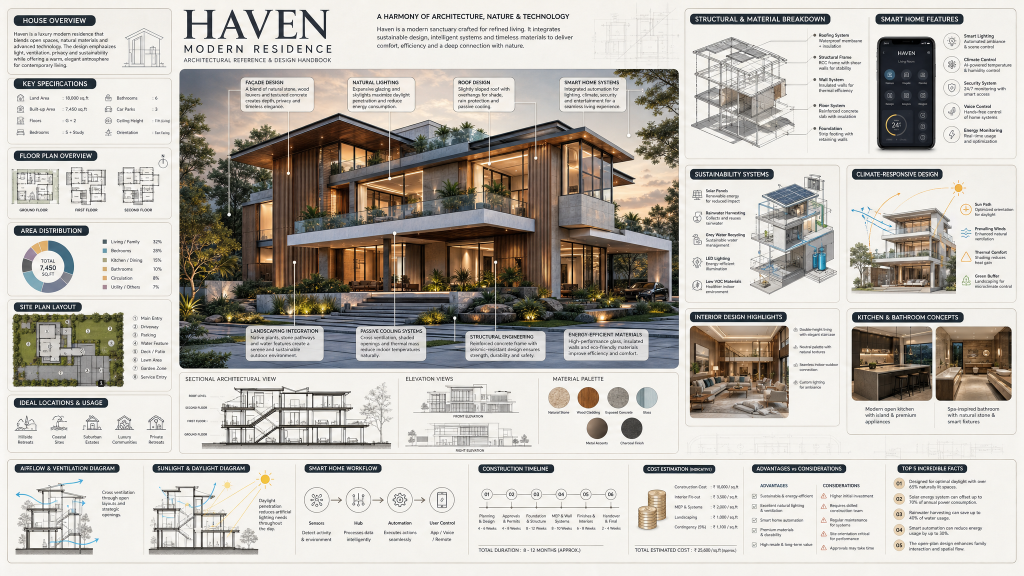
Using ElevenLabs.io AI
Prompt:
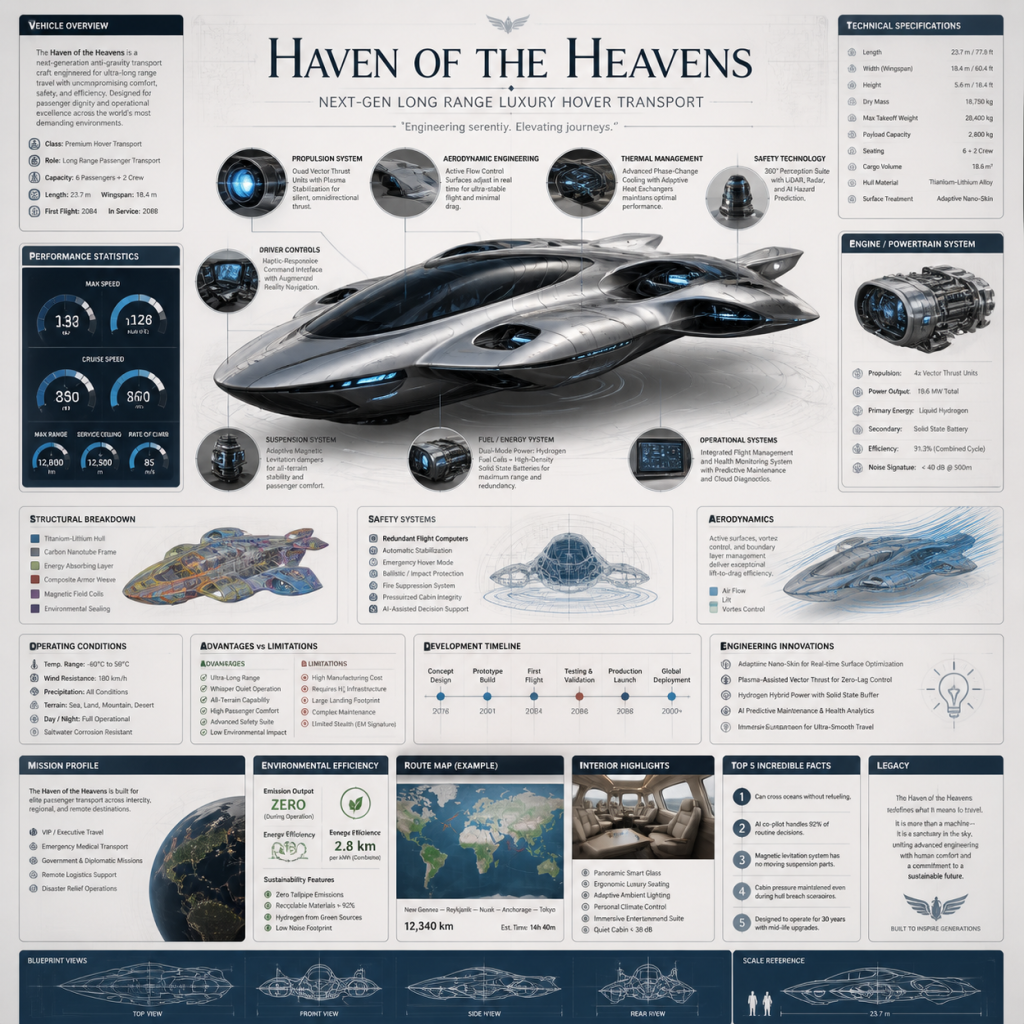
Create a premium square “reference-style transportation infographic” centered around {VEHICLE_NAME}, designed as a beautifully curated engineering handbook page rather than a commercial poster.
The composition should feel like a modern visual encyclopedia mixed with a high-end industrial design manual and elite editorial infographic system.
Visual Direction:
- 1:1 square composition
- Soft light-toned technical background with subtle blueprint textures and schematic overlays
- Elegant muted palette using graphite gray, titanium silver, deep navy, steel blue, and soft white accents
- Refined editorial typography hierarchy
- Rounded modular information cards with clean spacing
- Gentle realistic shadows and premium UI-style dividers
- Minimal technical iconography
- Extremely detailed central vehicle render viewed in dramatic three-quarter perspective
- Thin precision annotation lines pointing toward engineering systems and structural details
- Clean, organized “knowledge-first” layout with high information density but breathable spacing
Main Subject Presentation:
A stunning ultra-detailed realistic render of the {VEHICLE_NAME} placed at the center, featuring highly accurate materials, reflections, panel lines, aerodynamic shaping, lighting systems, mechanical detailing, and premium industrial realism.
Surround the vehicle with scientific callouts and magnified detail circles explaining features such as:
- propulsion system
- aerodynamic engineering
- chassis/body structure
- cockpit or driver controls
- suspension systems
- safety technology
- thermal/cooling systems
- fuel or energy management
- passenger or operational systems
- structural engineering innovations
Include modular infographic sections such as:
- Vehicle Overview
- Technical Specifications
- Performance statistics
- Engine / powertrain system
- Structural engineering breakdown
- Safety systems
- Aerodynamics and airflow
- Operating conditions
- Advantages vs limitations
- Development timeline
- Engineering innovations
- Mission / usage profile
- Environmental efficiency
- Route or operational map
- Interior design highlights
- “Top 5 Incredible Facts” section
- Legacy and influence on modern engineering
Add small premium visualization modules like:
- performance charts
- speed or power gauges
- thermal visualization diagrams
- airflow breakdown graphics
- cutaway engineering diagrams
- miniature blueprint side views
- comparison charts
- system flow diagrams
- operational workflow graphics
Style Keywords:
“premium engineering encyclopedia”
“editorial transportation handbook”
“high-end industrial infographic”
“museum-quality reference page”
“scientific transportation poster”
“modular technical knowledge system”
“clean editorial infographic design”
“ultra-detailed engineering visualization”
Avoid:
- action movie poster aesthetics
- dramatic explosions or cinematic destruction
- heavy grunge textures
- cluttered layouts
- propaganda styling
- generic advertising poster composition
The final result should resemble a professionally published engineering reference-book page created for enthusiasts, collectors, designers, and educational archives.
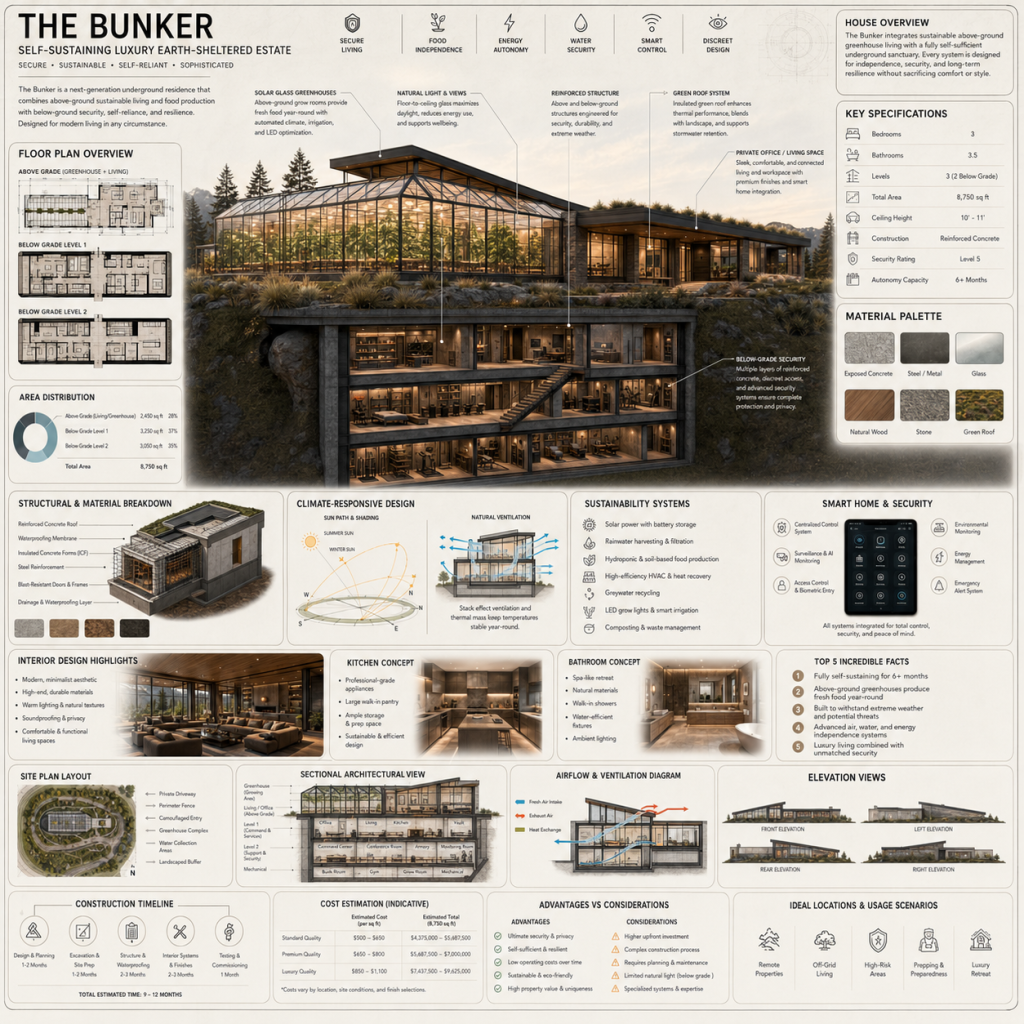
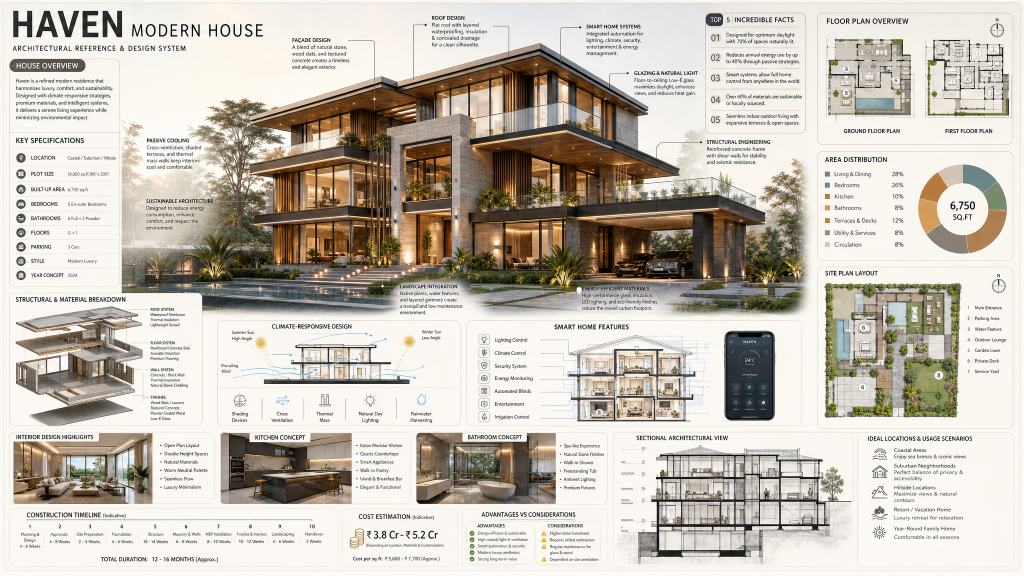
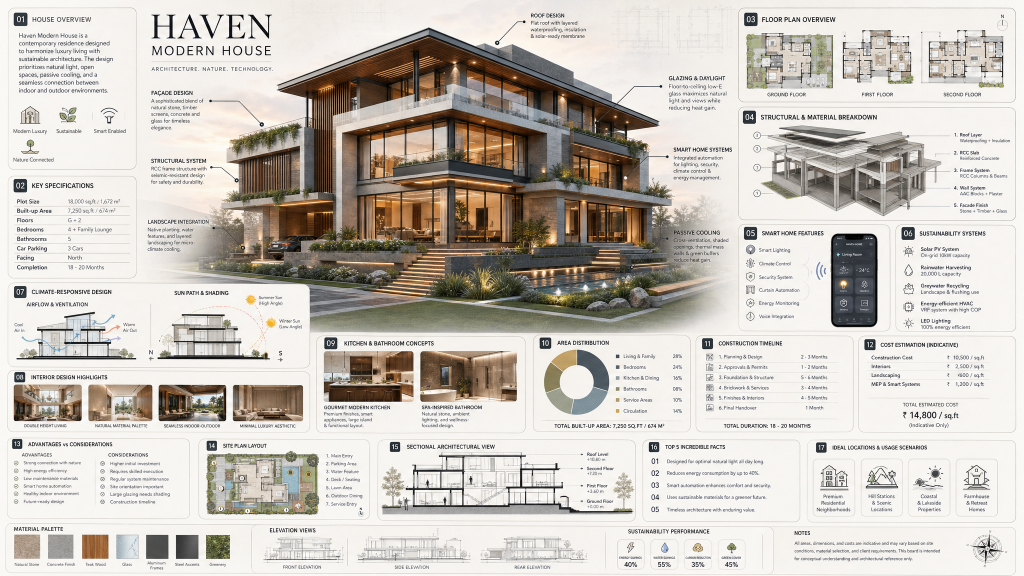
Prompt: Create a premium square “reference-style architectural infographic” centered around a luxurious {HOUSE_STYLE} modern house, designed as a beautifully curated architecture handbook page rather than a real-estate advertisement. The composition should feel like a modern visual encyclopedia mixed with an elite architectural field guide and high-end editorial infographic system. Visual Direction: • 1:1 square composition • Soft light-toned architectural background with subtle blueprint textures and drafting schematics • Elegant muted palette using warm white, charcoal gray, natural wood tones, matte black, concrete gray, and soft steel blue accents • Refined editorial typography hierarchy • Rounded modular information cards with clean spacing • Gentle realistic shadows and premium UI-style dividers • Minimal architectural iconography • Extremely detailed central house render viewed in dramatic three-quarter exterior perspective during soft golden-hour lighting • Thin precision annotation lines pointing toward architectural systems and design features • Clean, organized “knowledge-first” layout with high information density but breathable spacing Main Subject Presentation: A stunning ultra-detailed realistic render of the {HOUSE_STYLE} modern house placed at the center, featuring premium architectural realism, floor-to-ceiling glass walls, realistic reflections, warm ambient lighting, natural landscaping, modern material textures, elegant geometry, and sophisticated contemporary detailing. Surround the house with scientific and architectural callouts explaining: • façade design • structural engineering • smart home systems • sustainable architecture • passive cooling systems • roof design • glazing and natural lighting • interior planning • landscaping integration • energy-efficient materials Include modular infographic sections such as: • House Overview • Key Specifications • Floor Plan Overview • Structural & Material Breakdown • Smart Home Features • Sustainability Systems • Climate-Responsive Design • Interior Design Highlights • Kitchen & Bathroom Concepts • Area Distribution Charts • Construction Timeline • Cost Estimation (Indicative) • Advantages vs Considerations • Site Plan Layout • Sectional Architectural View • “Top 5 Incredible Facts” section • Ideal Locations & Usage Scenarios Add small premium visualization modules like: • floor plan diagrams • section-cut architectural drawings • airflow & ventilation diagrams • sunlight direction graphics • smart-home workflow visuals • landscaping/site layout plans • material palette displays • sustainability performance charts • miniature blueprint elevation views • room distribution infographics Style Keywords: “premium architecture encyclopedia” “editorial architectural handbook” “high-end residential infographic” “museum-quality modern house reference page” “scientific architectural poster” “luxury home design editorial” “modular architectural knowledge system” “ultra-detailed architectural visualization” Avoid: • generic real-estate flyer aesthetics • cluttered luxury brochure layouts • excessive cinematic effects • overly dark moody scenes • unrealistic futuristic sci-fi architecture • advertisement-heavy compositions The final result should resemble a professionally published architectural reference-book page created for architects, interior designers, collectors, luxury home enthusiasts, and educational design archives.